
Table of Contents
Sleep Music for Insomnia Relief & Deep Rest
Sleep is one of the most powerful medicines we have, yet for many people it is one of the hardest things to experience. Insomnia, racing thoughts, anxiety, and stress can turn the night into a battle instead of a time of rest and renewal.
At Enhanced Healing Counseling in Port Charlotte, Florida, therapeutic sleep music created by Dr. Harry Henshaw is used as a gentle, natural way to help individuals:
- Relax their minds and bodies
- Fall asleep more easily
- Stay asleep longer
- Experience deeper, more restorative rest
This article explains what sleep music is, why it is so important for those suffering from addiction and mental health problems, and how you can use it as part of a holistic approach to healing and transformation.
Why Sleep Matters So Much for Healing
When you don’t sleep well, everything becomes harder. Lack of sleep can lead to:
- Increased anxiety and irritability
- Difficulty concentrating or remembering
- Stronger cravings and impulsive urges
- Lower mood and hopelessness
- Weakened immune function and physical exhaustion
For individuals struggling with drug or alcohol addiction, poor sleep can be especially dangerous. Fatigue and emotional instability can make you more vulnerable to relapse. For those living with depression, anxiety, or trauma, insomnia can feed a painful cycle of fear, sadness, and despair.
Sleep is not a luxury; it is a foundation. During deep sleep, the body repairs itself, the brain processes and integrates experiences, and the nervous system resets. Quality sleep gives you the strength you need to practice responsibility, make healthy choices, and stay committed to your recovery and transformation.
What Is Therapeutic Sleep Music?
Therapeutic sleep music is music composed specifically to support falling asleep and staying asleep. Unlike stimulating or emotionally intense music, sleep music is designed to be:
- Slow and gentle, with gradual changes
- Soft and unobtrusive, encouraging your mind to let go
- Steady and continuous, without jarring shifts or surprises
Sleep music by Dr. Henshaw often features:
- Long, flowing tones and soundscapes that naturally invite relaxation
- Smooth, subtle progressions that are soothing rather than distracting
- A consistent atmosphere that makes it easy to drift off and stay in a restful state
The goal of therapeutic sleep music is not to entertain your mind but to quiet it, guiding you away from overthinking and into a place where sleep can come naturally.
How Sleep Music Helps Calm the Mind and Body
When you lie down at night, your body may be tired, but your mind might still be racing. You may replay the day’s events, worry about the future, or dwell on regrets. Your nervous system may still be in a state of high alert, as if you are under threat.
Therapeutic sleep music helps address this by:
- Slowing Brainwave Activity
Gentle, repetitive musical patterns can encourage brainwave activity to slow down, moving from the fast, busy beta waves of waking life toward the slower alpha and theta waves associated with relaxation and the edge of sleep. You may notice that your thoughts become less sharp, less urgent, and more dreamlike.
- Supporting Deeper Breathing
Many people find that their breathing naturally deepens when listening to soft, slow music. Deep, rhythmic breathing sends a message to the body that it is safe to relax. This reduces heart rate, muscle tension, and overall arousal, making it easier to fall asleep.
- Creating a Safe Emotional Space
For those with trauma, addiction, or mental health challenges, nighttime can bring up fear, sadness, or loneliness. Sleep music can create a comforting atmosphere, a kind of sound blanket that makes you feel less alone and more held. This emotional safety is essential for letting go into sleep.
- Establishing a Sleep Routine
When you use the same sleep music regularly, your body and mind begin to associate it with rest. Over time, just hearing the opening of a familiar track can signal to your system, “It’s time to relax. It’s time to sleep.” This association can be especially helpful for breaking patterns of insomnia.
Sleep Music and Addiction Recovery
For individuals in recovery from drug or alcohol addiction, sleep problems are very common. The brain and body need time to adjust after substance use, and anxiety or depression may become more noticeable when substances are removed.
Sleep music can support addiction recovery by:
- Providing a healthy, non-addictive tool for managing nighttime anxiety or restlessness
- Reducing the urge to use substances as a way to “knock yourself out” or escape uncomfortable emotions
- Supporting the emotional and physical healing process that takes place during deep sleep
- Helping you wake up more refreshed and better able to practice the Principles of Transformation during the day
When combined with counseling, support groups, relaxation music, and positive affirmations, sleep music becomes part of a holistic program that supports both your nights and your days.
Sleep, Mental Health, and Self-Esteem
Insomnia and poor sleep often worsen depression, anxiety, and low self-esteem. When you feel exhausted, you may:
- Judge yourself more harshly
- Feel hopeless about making changes
- Have less patience with yourself and others
- Struggle to apply positive tools and practices
Improving your sleep can have a powerful impact on how you see and treat yourself. When you are rested, you are more likely to:
- Think clearly and recognize negative thoughts as just thoughts
- Practice self-compassion instead of self-criticism
- Make better decisions about your recovery, relationships, and daily choices
- Follow through on commitments to yourself
Therapeutic sleep music supports this by making it easier to get the rest your mind and body desperately need. It does not replace the deeper inner work of Transformation Counseling, but it makes that work more possible.
How to Use Sleep Music as Part of Your Nightly Routine
Using sleep music is simple, but consistency matters. Here is a gentle, practical way to incorporate therapeutic sleep music into your evenings:
- Create a Wind-Down Period
Aim to begin winding down 30–60 minutes before the time you want to be asleep. Dim the lights, turn off screens or notifications if possible, and intentionally shift from activity to rest.
- Choose a Sleep Music Track or Album
Select a sleep music recording by Dr. Henshaw that you find especially calming. It helps to use the same track or album regularly so your system learns to associate it with sleep.
- Set a Comfortable Volume
Play the music at a soft volume—enough to hear clearly but not so loud that it demands attention. You want the music to blend into the background, like a gentle presence rather than a performance.
- Pair with Relaxation Practices
While the music plays, you might:
- Breathe slowly and deeply
- Gently scan your body, relaxing each area from head to toe
- Offer yourself kind thoughts like, “It’s safe to rest now” or “I deserve peace and sleep.”
If you’ve been using positive affirmations during the day, you can silently repeat them as you drift off.
- Let Sleep Come Naturally
There is no need to force sleep. Simply allow yourself to rest and listen without pressure or judgment. If your mind wanders, gently return your attention to your breath and the sound of the music.
Combining Sleep Music with Relaxation Music and Affirmations
Sleep music works beautifully with the other tools offered through Enhanced Healing Counseling:
- Relaxation music can be used during the day or early evening to lower stress, making it more likely that you will sleep well at night.
- Positive affirmations can be practiced during the day to shift your self-image and reduce the negative thoughts that keep you awake.
- Counseling and Transformation work address the deeper fears, beliefs, and unresolved emotions that contribute to insomnia, anxiety, and depression.
Together, these elements form a comprehensive support system for your healing. You learn to care for your body, mind, and subconscious patterns in a way that honors your humanity and your potential.
Is Therapeutic Sleep Music Right for You?
Therapeutic sleep music may be especially helpful if:
- You struggle to fall asleep or stay asleep
- Your mind races with worries or regrets at night
- You are in recovery from addiction and want a healthy way to manage nighttime anxiety
- You live with depression, anxiety, or trauma and feel more vulnerable at night
- You are working on self-esteem and self-love and want to treat your body with more kindness
You do not need to “earn” rest. You do not need to be perfect first. Sleep is a basic human need and a powerful healing force that you deserve.
Taking the Next Step
If you would like to explore therapeutic sleep music created by Dr. Harry Henshaw, you can:
- Visit the Sleep Music section of the Enhanced Healing Counseling website
- Listen to samples of sleep music albums designed for insomnia relief and deep rest
- Choose recordings that fit your preferences and nightly routine
- Combine sleep music with relaxation music, positive affirmations, and counseling for a comprehensive approach to recovery and emotional well-being
You are not meant to spend your nights in battle with your own mind. Sleep is your birthright. Therapeutic sleep music offers a gentle, natural way to invite rest back into your life, so you can wake each morning with more strength, clarity, and hope.
When you care for your sleep, you care for your life. And when you pair restful nights with the inner work of transformation, you create the conditions for deep healing—one peaceful night at a time.
Dr. Harry Henshaw
Enhanced Healing Counseling
Port Charlotte, Florida
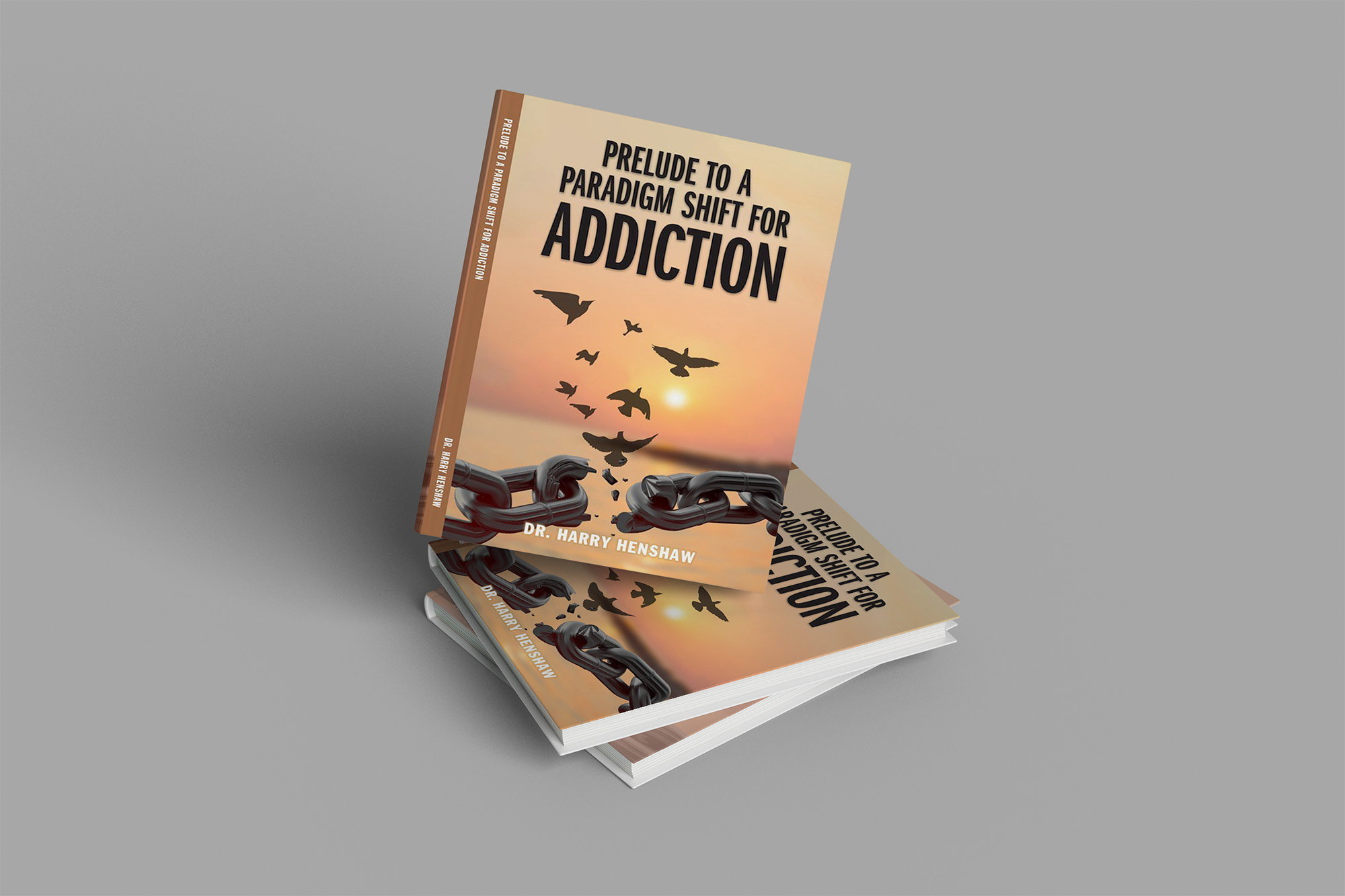
Get Free from Addiction!
Discover a groundbreaking perspective on addiction recovery. Click below to buy Prelude to a Paradigm Shift for Addiction and explore innovative solutions to transform the way we understand and treat substance use disorders.
About Enhanced Healing
Enhanced Healing Counseling specializes in addiction recovery, mental health, and self-esteem support. Offering online and in-person services, we empower individuals to transform their lives with personalized care and proven therapeutic methods.
