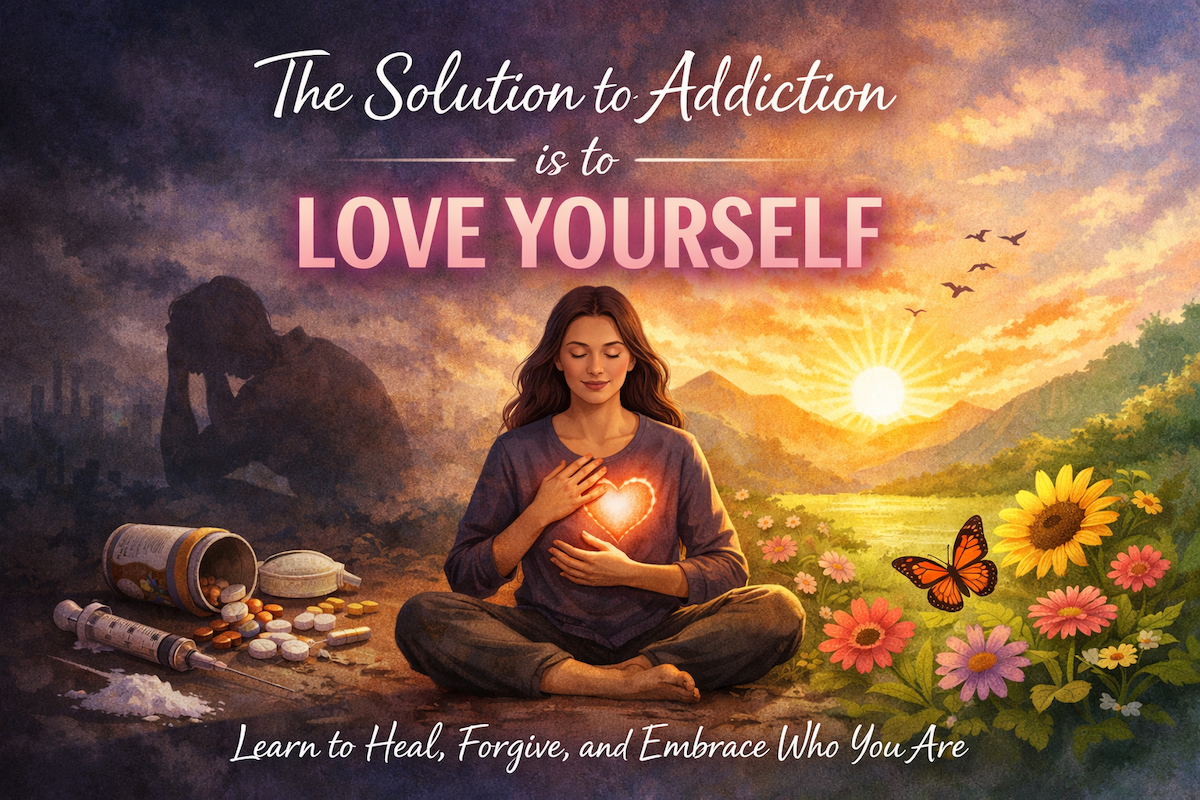
Table of Contents
Preface: The Secret of Using This Book to Change Your Life
Maxwell Maltz opens Psycho-Cybernetics with a simple but radical premise: most of what we call “personality,” “confidence,” and even “ability” is organized around an internal picture of who we believe we are. He argues that people do not rise or fall to the level of their goals; they rise or fall to the level of their self-image. This explains a puzzle nearly everyone has lived: you can know what to do, you can even want it badly, and yet you still “self-sabotage” as if some unseen force pulls you back to the familiar. Maltz proposes that the unseen force is not mysterious at all—it’s the mind’s built-in tendency to remain consistent with the identity it has accepted as true, even when that identity is painful or outdated.
The “secret” of using the book, then, is not to treat it like inspirational reading, but as a practical training manual for changing the identity that drives your automatic behaviors. Maltz repeatedly emphasizes that people are already running a mental system—whether they know it or not—and the results they’re getting are the system’s output. The purpose of the book is to help you stop arguing with the output and start updating the programming. If you work with the ideas actively—observing your habitual thoughts, practicing new mental images, rehearsing new responses, and experimenting in real life—you don’t merely learn concepts; you install a new pattern. In Maltz’s view, change becomes less about willpower and more about correct guidance of an internal mechanism that was designed for success.
Chapter 1: The Self-Image—Your Key to a Better Life
Chapter 1 develops the cornerstone of the entire book: the self-image is the master blueprint of behavior. Maltz uses his experience as a surgeon to illustrate that people can experience a physical change—such as a repaired face—and yet remain psychologically unchanged if their self-image stays the same. Conversely, a person can experience dramatic improvement in mood, performance, and relationships without changing external circumstances if the internal picture changes. The self-image, in his framing, is not merely how you “feel” about yourself; it is what you accept as true about yourself. Once accepted, it becomes a reference point that the mind and nervous system try to confirm through perception, emotion, and action.
Maltz also argues that the self-image can be inaccurate and still dominate your life. It can be built from childhood interpretations, criticism, humiliations, and repeated failures—none of which necessarily reflect your actual potential. The tragedy is that people often protect a negative self-image as if it were a fact, because changing it would require stepping into unfamiliar territory. In this chapter, he invites the reader to see self-image as a modifiable mental construct rather than a fixed identity. That shift—“this is a picture I learned, not a truth I must obey”—creates immediate room for change. The chapter positions self-image work not as vanity, but as the practical foundation for healing, achievement, and a more hopeful future.
Chapter 2: Discovering the Success Mechanism Within You
In Chapter 2, Maltz introduces the idea of a built-in “success mechanism”—a goal-seeking system in the human brain and nervous system that functions like a servo-mechanism. The important implication is that your mind is not primarily designed to make you miserable; it is designed to move you toward goals and correct course based on feedback. When guided by healthy goals and a realistic self-image, it operates with surprising power and efficiency. When guided by fear, self-rejection, or vague aims, it can produce confusion, avoidance, and repeated failure. Maltz reframes many “character flaws” as misdirected mechanisms rather than moral defects.
He emphasizes that the success mechanism works best when you provide it with clear direction and then allow it to operate without constant interference. Overthinking, self-criticism, and anxious micromanagement disrupt the system the way yanking the steering wheel disrupts driving. Maltz suggests that people often do not fail because they lack talent, but because they do not understand how the internal guidance system functions. When you set a goal, imagine it vividly, and act in small steps, the mechanism uses experience as feedback to adjust and improve. In therapeutic terms, this chapter encourages trust in the process of learning—mistakes are not proof of inadequacy; they are information. That single reframe can dissolve much of the shame that keeps people stuck.
Chapter 3: Imagination—The First Key to Your Success Mechanism
Chapter 3 argues that imagination is not an escape from reality; it is the primary tool the mind uses to create reality. Maltz claims the nervous system responds to imagined experiences in ways similar to real ones, which explains why people can feel fear, shame, or confidence before anything “actually happens.” If your imagination repeatedly runs negative scenes—rejection, failure, embarrassment—your emotions and actions tend to follow the script. In contrast, when imagination is trained to rehearse competent, calm, and successful responses, the mind becomes more willing to move forward. The chapter positions imagination as the language of the success mechanism: it responds to pictures, scenes, and felt-senses more readily than to abstract logic.
Maltz’s practical message is that you can practice success internally before you demonstrate it externally. This is not magical thinking; it is skill training. Athletes, performers, and professionals often rehearse mentally to reduce anxiety and improve execution. Maltz extends this to everyday life: conversations, boundaries, sobriety choices, confidence in social settings, and the ability to persist through discomfort. Imagination can also be used to revise identity—seeing yourself as the kind of person who follows through, speaks kindly to yourself, and handles stress with composure. Repeated internal rehearsal becomes familiar, and what is familiar becomes more achievable. In that way, imagination becomes the bridge between who you have been and who you are becoming.
Chapter 4: Dehypnotize Yourself from False Beliefs
In Chapter 4, Maltz describes false beliefs as a kind of hypnosis—suggestions accepted as truth that continue to influence perception and behavior long after the original moment has passed. These beliefs often form early: “I’m not smart,” “I’m unlovable,” “I always mess up,” “I can’t change.” Once accepted, they become self-fulfilling because the mind selectively notices evidence that confirms them while filtering out evidence that contradicts them. Maltz’s point is not that people deliberately choose these beliefs, but that they adopt them through repetition, authority figures, emotional events, and misinterpretations of what happened.
The chapter offers a way out: learn to question the belief without attacking yourself. Maltz suggests that many beliefs persist because they feel familiar, not because they are true. Dehypnotizing requires interrupting automatic acceptance and replacing it with evaluation: “Is that actually true?” “Is it always true?” “What evidence contradicts it?” He also emphasizes that emotions can make beliefs feel like facts; strong feelings are persuasive, but they are not proof. By repeatedly challenging false conclusions and rehearsing more accurate ones, you loosen the grip of old suggestions. Over time, the mind becomes less reactive and more discerning—able to choose interpretations rather than be compelled by them.
Chapter 5: How to Utilize the Power of Rational Thinking
Chapter 5 introduces rational thinking as an essential partner to imagination. If imagination supplies the pictures, rationality supplies the steering. Maltz does not promote cold intellectualism; he promotes clear evaluation that prevents the mind from being ruled by catastrophic fantasies or harsh self-judgments. Rational thinking helps you separate facts from interpretations and prevents emotional reasoning from turning a temporary setback into a permanent identity. In everyday life, this means replacing “I failed” with “That attempt didn’t work,” and replacing “They hate me” with “I don’t know what they’re thinking; I can ask or let it go.”
Maltz also addresses the problem of perfectionism—an irrational demand that you must perform flawlessly in order to be worthy. Rational thinking dissolves perfectionism by restoring proportion: mistakes are normal, learning requires errors, and competence develops through practice. This chapter encourages a practical mindset: evaluate results, adjust behavior, and continue. When rational thinking becomes a habit, it protects self-image from distortion. Instead of letting one bad day define you, you learn to contextualize it. Over time, rational thinking becomes a stabilizer—especially valuable for anyone recovering from addiction or depression, where distorted conclusions can quickly trigger hopelessness and relapse.
Chapter 6: Relax and Let Your Success Mechanism Work for You
In Chapter 6, Maltz explores a paradox: striving too hard can sabotage success. When a person is tense, fearful, or obsessively self-monitoring, the success mechanism becomes constricted. Creativity narrows, memory falters, speech becomes forced, and performance declines. Maltz suggests that many people are not blocked by lack of ability but by excess anxiety. Relaxation is not laziness; it is the condition that allows the nervous system to function smoothly. He proposes that when you do your preparation and then “let go,” you allow automatic processes—learned skills, intuition, timing—to operate without interference.
The chapter teaches a form of trust: set the direction, take reasonable action, and then allow outcomes to develop without constant internal commentary. Maltz highlights that the mind learns through feedback; if you stay relaxed enough to receive feedback, you improve faster. This principle is deeply relevant to personal change: a rigid, punishing approach often triggers resistance and collapse, whereas a calm, compassionate approach fosters consistency. Relaxation also interrupts the cycle of shame-driven behavior. When you relax, you stop treating yourself like an emergency. You become more capable of choosing a new response in the moment—exactly where real transformation happens.
Chapter 7: You Can Acquire the Habit of Happiness
Chapter 7 reframes happiness as a habit rather than a reward that appears only when life becomes perfect. Maltz argues that many people postpone happiness—“I’ll be happy when…”—and in doing so train the nervous system to remain dissatisfied. He proposes that happiness is not merely an emotion but an orientation: an ability to experience appreciation, interest, and aliveness even while goals remain unfinished. This does not deny pain or difficulty; it denies the belief that suffering is the only legitimate state until everything is resolved. Maltz’s view is practical: when you cultivate happiness, you actually function better, make better choices, and become more resilient.
He also explains how people unconsciously resist happiness because it threatens their familiar identity. Some individuals have lived so long with struggle that happiness feels unsafe or undeserved. Maltz encourages deliberate practice: notice what is good, choose activities that nourish you, cultivate friendly self-talk, and develop a sense of purpose. Over time, these practices train the mind to seek constructive experiences rather than compulsive relief. For someone in recovery, this is crucial: if pleasure is only available through substances or self-destructive patterns, relapse becomes likely. The habit of happiness expands the range of healthy satisfaction, making change sustainable.
Chapter 8: Ingredients of the “Success-Type” Personality and How to Acquire Them
In Chapter 8, Maltz describes the “success-type personality” as a set of learnable traits rather than an inborn gift. He emphasizes qualities such as self-acceptance, confidence, courage, emotional stability, and the ability to tolerate temporary discomfort while pursuing a goal. Importantly, he does not portray successful people as fearless; he portrays them as people who act despite fear. They are willing to risk disapproval, embarrassment, or short-term failure because they value growth more than protection of ego. Maltz suggests that these traits emerge naturally when the self-image becomes healthier and when the success mechanism is given clear direction.
The chapter invites readers to cultivate these traits through behavior first, not merely through thought. If you want confidence, you practice confident actions in manageable doses. If you want courage, you choose small risks that build tolerance. If you want emotional stability, you learn to interpret emotional waves without being controlled by them. Maltz’s model is incremental and humane: you do not need a dramatic personality overhaul; you need repeated moments of “choosing again.” Over time, the nervous system learns a new normal. This is a hopeful message for anyone who believes they are “just not that kind of person.” Maltz’s answer is: you can become that kind of person by training.
Chapter 9: The Failure Mechanism—How to Make It Work for You Instead of Against You
Chapter 9 acknowledges that the same goal-seeking system can be used destructively. Maltz calls this the “failure mechanism,” which activates when a person constantly imagines defeat, expects rejection, and interprets setbacks as proof of personal inadequacy. The mind then steers toward outcomes that confirm the negative expectation—not because it hates you, but because it seeks consistency. The failure mechanism is reinforced by shame, chronic guilt, resentment, and self-punishment. Maltz also notes that some people “need” failure because it supports a familiar identity: the struggler, the outsider, the one who never gets what they want.
Rather than condemning the failure mechanism, Maltz teaches how to repurpose it. You can use the same capacity for correction and feedback to move toward success by changing the images, interpretations, and goals that guide it. The chapter encourages you to stop labeling mistakes as identity and start labeling them as data. When a behavior produces pain, that pain can be feedback rather than a verdict. This approach is especially useful in relapse prevention and mental health recovery: you do not treat a setback as “I’m hopeless”; you treat it as “something needs adjustment.” By converting self-attack into problem-solving, you interrupt the failure mechanism and restore forward motion.
Chapter 10: How to Remove Emotional Scars, or How to Give Yourself an Emotional Face-Lift
In Chapter 10, Maltz addresses emotional scars—lingering wounds from humiliation, rejection, trauma, or repeated criticism. These scars shape perception: a neutral look becomes disapproval, a minor mistake becomes catastrophe, and intimacy becomes danger. Maltz argues that emotional scars are often maintained by re-living the event internally and reinterpreting it as proof of personal defect. In his view, many people carry an “emotional face” that reflects old pain—guardedness, bitterness, mistrust—and this face then influences how others respond, reinforcing the original wound.
The “emotional face-lift” is the process of reassigning meaning to the past and freeing the present from the old story. Maltz encourages forgiveness—not as excusing harm, but as releasing your nervous system from being permanently organized around that harm. He also suggests replacing self-condemnation with self-compassion: you were doing the best you could with what you knew then. When emotional scars soften, spontaneity returns. You become more willing to try, to connect, to be seen, and to learn. This chapter aligns closely with therapeutic work: healing is not only insight; it is the restoration of safety in the body and a renewed permission to live as your authentic self.
Chapter 11: How to Unlock Your Real Personality
Chapter 11 explores the idea that many people do not live from their real personality but from a defensive personality built to avoid pain. The defensive personality may appear as pleasing, controlling, withdrawing, joking, or staying “tough,” but underneath it is often fear of rejection or failure. Maltz suggests that the real personality is naturally constructive: it wants to create, connect, explore, and express. When the self-image is damaged, those natural impulses become inhibited. People confuse inhibition with identity—“I’m just shy,” “I’m not creative,” “I’m not a people person”—when they may actually be living under protective habits.
Unlocking the real personality requires reducing fear and increasing self-acceptance. Maltz encourages readers to practice being themselves in small, safe ways: expressing a true opinion, setting a boundary, trying an interest, speaking with warmth rather than armor. As the self-image becomes more supportive, natural traits emerge without forcing. This chapter carries a liberating message: you do not have to manufacture a “better personality”; you have to remove what blocks your real one. For many, this is the core of transformation—less self-improvement as struggle, more self-recovery as unveiling.
Chapter 12: Do-It-Yourself Tranquilizers That Bring Peace of Mind
In Chapter 12, Maltz offers practical methods for calming the nervous system—tools for peace of mind that do not depend on external substances or constant reassurance. He discusses how tension, worry, and inner conflict keep the body in a state of alarm, which then feeds negative thinking. Peace of mind is presented as a skill: you learn to interrupt anxious loops, bring attention to the present, and choose responses that reduce internal friction. Maltz’s tone is pragmatic—these are not lofty spiritual ideals, but simple psychological “tranquilizers” you can administer through attention and self-management.
The chapter encourages practices such as mental rehearsal of calm responses, constructive self-talk, relaxation, and the deliberate release of resentment and self-condemnation. The goal is not to eliminate all stress, but to prevent stress from turning into chronic distress. For anyone working through addiction or depression, this is foundational: when inner turbulence becomes unbearable, compulsive coping becomes tempting. Learning to soothe yourself internally expands freedom. You gain the ability to stay present with discomfort long enough to choose a healthy action. Peace of mind, in Maltz’s model, is not something you wait for; it is something you practice into existence.
Chapter 13: How to Turn a Crisis into a Creative Opportunity
Chapter 13 reframes crisis as a moment when old patterns fail and new possibilities can emerge. Maltz argues that crisis exposes the inadequacy of an outdated self-image and forces a person to confront the gap between who they think they are and what life is demanding. Many people respond to crisis with panic and regression, which makes the situation worse. Maltz suggests an alternative: use crisis as feedback that your guidance system needs a new map. When you stop treating crisis as proof of doom and start treating it as a prompt for innovation, your mind becomes more resourceful.
He encourages a creative stance: ask better questions, explore multiple options, and take small decisive steps rather than freezing. Crisis can become a turning point because it interrupts denial and reveals what matters. In recovery, crisis often arrives as consequences, emotional collapse, or relationship breakdown—but it can also be the moment a person becomes willing to change. Maltz’s approach does not glorify suffering; it emphasizes how to extract value from it. When you respond creatively, you rebuild a self-image of competence: “I can handle hard things. I can adapt. I can choose again.” That identity becomes a protective factor for the future.
Chapter 14: How to Get That Winning Feeling
In Chapter 14, Maltz focuses on the “winning feeling” as an internal state that fuels continued success. He argues that people need experiences of success—however small—to build momentum. The winning feeling is not arrogance; it is the felt-sense that “I can do this,” “I belong,” “I’m capable,” and “my effort matters.” Without that feeling, people often avoid challenge, procrastinate, or settle. Maltz emphasizes that the nervous system learns through emotional association. When effort is repeatedly paired with dread and self-attack, the mind resists effort. When effort is paired with hope and reward, the mind becomes willing.
He offers a practical path: create small wins deliberately. Choose goals that stretch you but are achievable, rehearse success mentally, take action, and then allow yourself to register the win. Many people skip the last step—they accomplish something and immediately move to criticism or the next demand. Maltz insists that acknowledging wins is not indulgence; it is training. The winning feeling builds a new self-image: “I follow through.” This is especially powerful in addiction recovery, where a person often carries a long history of “losses.” Small consistent wins restore dignity, and dignity strengthens commitment.
Chapter 15: More Years of Life and More Life in Your Years
The final chapter broadens the lens to the quality and vitality of life itself. Maltz suggests that a healthier self-image and a properly guided success mechanism do more than help you achieve goals; they help you live with greater aliveness. Chronic resentment, fear, and self-rejection are not merely mental burdens—they are physiological stressors that drain energy and reduce joy. When you cultivate inner peace, constructive purpose, and self-acceptance, you not only potentially extend life; you expand life. The chapter reads as a call to reclaim the present—not as a waiting room for later success, but as the actual arena where life is lived.
Maltz closes by implying that the most meaningful “success” is not public achievement but inner freedom. When you are not trapped by a negative identity, you have more capacity for love, creativity, curiosity, and contribution. This aligns with the book’s deeper promise: you can become the kind of person who moves through the world with a steady sense of worth. Goals still matter, but they no longer determine your value. In that sense, Psycho-Cybernetics is not just a strategy for accomplishment—it is a blueprint for transformation: changing the internal picture, trusting the mechanism within, and living from a self-image that supports healing, growth, and genuine peace.
Summary of Psycho-Cybernetics and Its Implications for Addiction and Mental Health Treatment
At its core, Psycho-Cybernetics teaches that human behavior is organized around a self-image—an inner picture of who we believe we are—and that this self-image silently determines what we attempt, what we tolerate, what we expect, and what we repeatedly produce. Maltz argues that we each possess an internal “success mechanism,” a goal-seeking system that moves us toward what we consistently imagine, accept, and rehearse as true. The book’s practical method is straightforward: identify the false beliefs that have hypnotized you into limitation, replace them with more accurate conclusions, and repeatedly practice new mental images and behaviors until your nervous system begins to treat the new identity as familiar. In this view, lasting change is not a matter of brute willpower; it is the result of updating the internal programming that directs your automatic reactions.
This framework has strong implications for addiction and substance use disorders because addiction is often maintained by a rigid, negative self-image: “I’m damaged,” “I’m weak,” “I’m a failure,” “I can’t cope,” or “I don’t deserve a better life.” When that identity is accepted as truth, the mind’s goal-seeking system will (ironically) steer the person back toward familiar outcomes—using, hiding, sabotaging relationships, giving up—because those outcomes confirm the identity. Maltz’s model reframes relapse and compulsive behavior less as proof of moral failure and more as evidence that the person’s inner guidance system is still being directed by an old picture and old emotional conditioning. Treatment, therefore, must do more than stop the substance; it must replace the identity that “needs” the substance with one that can tolerate discomfort, choose differently, and experience worth without chemical relief.
For mental health concerns—especially depression, anxiety, trauma responses, and chronic shame—Maltz’s emphasis on imagination, rational thinking, and emotional scar removal aligns with what many clinicians recognize: the nervous system responds powerfully to perceived threat, predicted failure, and internalized criticism. An anxious person may repeatedly imagine catastrophic outcomes; a depressed person may repeatedly imagine hopelessness and rejection. The body then reacts as if those imagined scenarios are already real, creating a self-reinforcing loop of symptoms and avoidance. Maltz’s approach suggests that part of effective treatment is “dehypnotizing” the client from global, identity-based conclusions and retraining the mind to generate more accurate, compassionate interpretations—while practicing calm, competent responses through mental rehearsal and real-world behavioral steps.
Most importantly, Psycho-Cybernetics implies that recovery and healing become far more sustainable when the person builds a new self-image anchored in capability, dignity, and self-acceptance. This means helping clients collect “small wins,” deliberately register progress, and learn self-soothing skills that function as true “do-it-yourself tranquilizers”—not numbing agents, but internal tools for emotional regulation. When a client begins to experience themselves as someone who can feel discomfort and still act wisely, someone who can be imperfect and still worthy, the success mechanism shifts direction. The person is no longer trying to “fight addiction” from the identity of a failure; they are learning to live from the identity of a recovering, growing, resilient human being—an identity that naturally supports sobriety, mental stability, healthier relationships, and long-term transformation.
Dr. Harry Henshaw
Port Charlotte, Florida
Positive Affirmation Recordings
Get Free from Addiction!
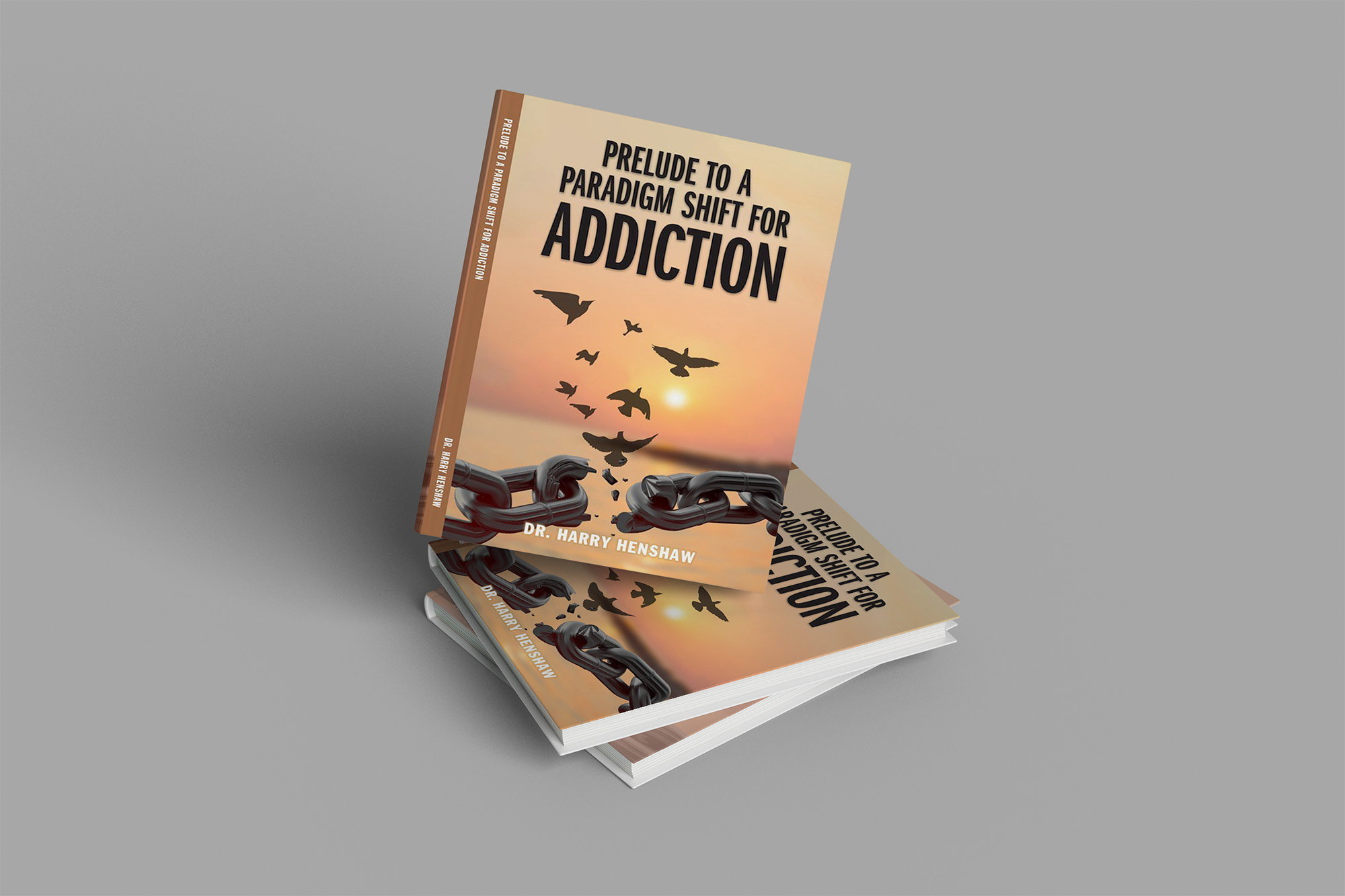
Discover a groundbreaking perspective on addiction recovery. Click below to buy Prelude to a Paradigm Shift for Addiction and explore innovative solutions to transform the way we understand and treat substance use disorders.
About Enhanced Healing
Enhanced Healing Counseling specializes in addiction recovery, mental health, and self-esteem support. Offering online and in-person services, we empower individuals to transform their lives with personalized care and proven therapeutic methods.