Table of Contents
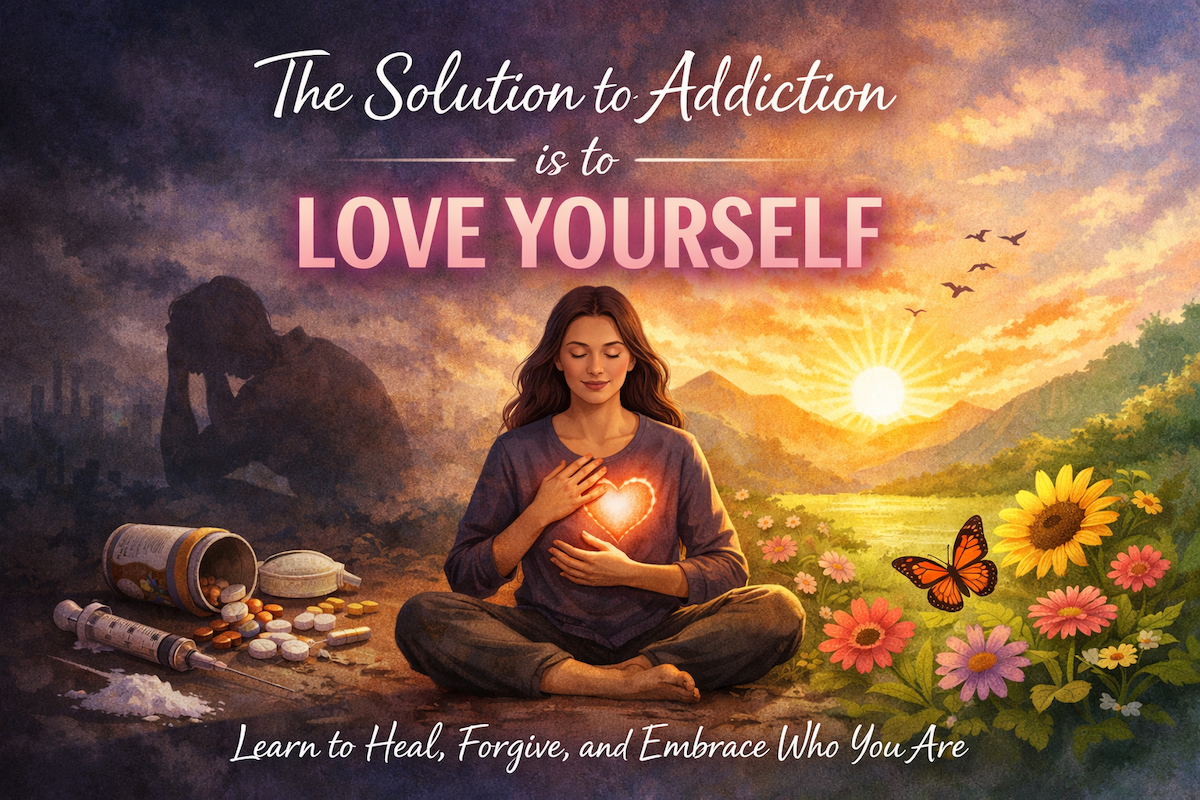
If the true cause of addiction is a negative core belief,“I’m not good enough… I don’t matter… I’m less than others” then the most important work in recovery is not simply stopping a substance or behavior, but transforming the belief that drives the need for self-harm in the first place. In your framework, drugs and alcohol are not the real problem; they are symptoms, tools used to validate and reinforce a wounded self-image. The real issue is internal: a psychology built on self-rejection rather than authentic self-love.
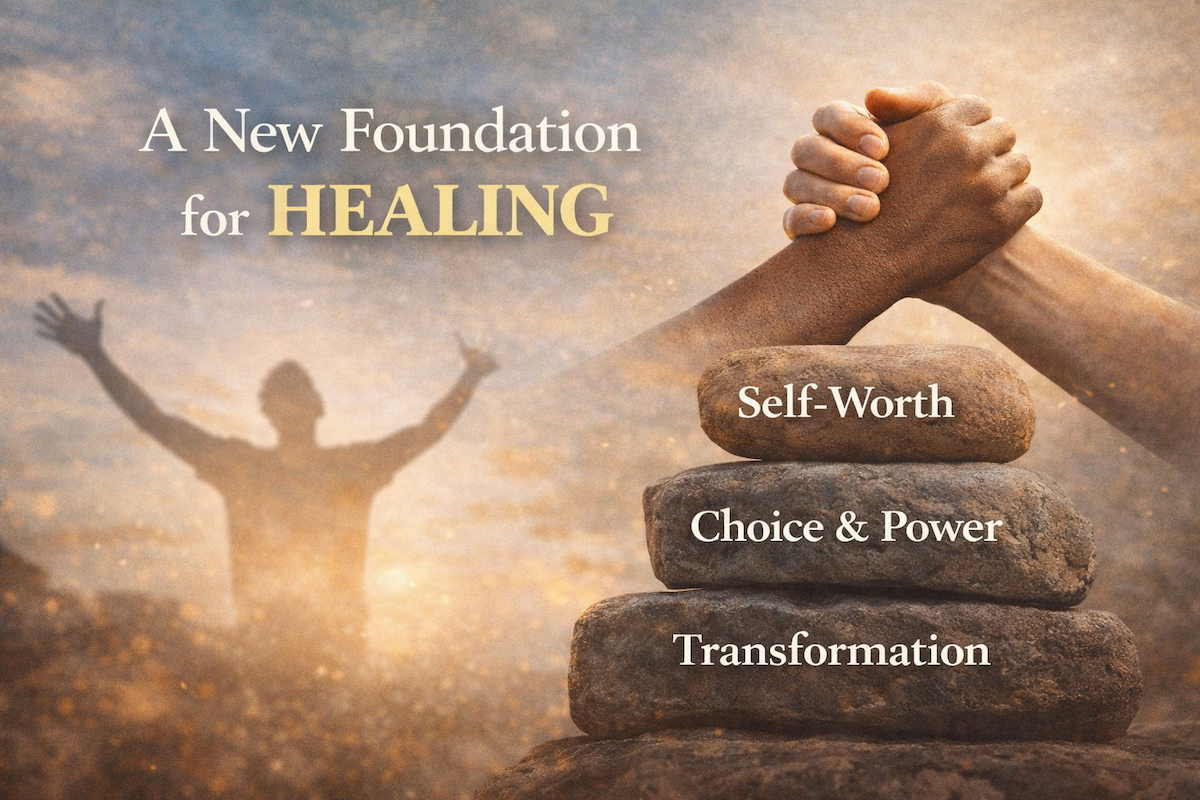
That is exactly why Principle Seven “I always do my best” is not a “nice idea” or a motivational slogan. It is a clinical and spiritual turning point in the transformation process. When someone truly accepts this principle, it directly weakens the shame-based identity that fuels addiction, and it creates a stable emotional foundation for changing the negative belief of “not good enough” into the lived experience of “I am enough.”
This article explains how Principle Seven of the Principles of Transformation works as a mechanism of psychological transformation, why it is essential for ending addictive behavior, and how it becomes a daily practice that changes the trajectory of a life.
Why “I Always Do My Best” Targets the Core of Addiction
Addiction is often maintained by a brutal internal courtroom:
- “What’s wrong with me?”
- “Why can’t I stop?”
- “I’m weak.”
- “I fail every time.”
- “I’ll never change.”
Those thoughts are not harmless. In your model, they are the engine. A person who believes he is inadequate will unconsciously keep producing evidence for that belief, through self-sabotage, self-neglect, and self-harm. Addictive behavior becomes a perfect “proof-maker” for the core belief: “See? I knew I wasn’t good enough.”
Principle Seven interrupts that loop at its most damaging point: self-condemnation.
To say “I always do my best” is to introduce a new explanation for the past and present:
- My behavior came from the level of knowledge, awareness, and emotional tools I had at the time.
- My pain was real, and my coping was an attempt to survive however destructive it became.
- My “best” can grow as my understanding grows.
This principle does something powerful: it separates human worth from human behavior. It says, in effect:
“My past does not define my value. It only reflects the awareness I had then.”
That single shift weakens the identity of shame and addiction cannot survive long-term without shame as a foundation.
“My Best” Dismantles the Shame Identity That Keeps People Stuck
Shame is not just regret about behavior. Shame is the belief: “I am defective.” And shame tends to produce three predictable outcomes:
- Hiding (secrecy, isolation, denial)
- Self-attack (harsh self-talk, hopelessness, self-punishment)
- Escape (numbing, dissociation, compulsive relief-seeking)
When people feel shame, they seek relief. And if the person does not have healthy internal resources yet, self-soothing, self-compassion, hope, spiritual connection, the nervous system will push toward what it knows: a chemical or compulsive escape.
So shame isn’t just an emotion; it becomes an addiction maintenance strategy.
The seventh Principle of Transformation is a direct antidote because it replaces shame with accurate interpretation:
- “I acted from what I knew.”
- “I did not have the tools then.”
- “My awareness can expand.”
- “My best is not perfection; it is sincerity at my current level of understanding.”
That is the psychological doorway into self-forgiveness and self-respect, two experiences without which authentic self-love cannot grow.
And in your philosophy, authentic self-love is the only real solution.
Principle Seven Reframes Relapse and Struggle Without Excusing Them
A common fear is: “If I say I always do my best, won’t I let myself off the hook?”
Not if Principle Seven is understood correctly.
“I always do my best” is not:
- “My actions don’t matter.”
- “I have no responsibility.”
- “It’s okay to keep using.”
- “I’m a victim of my past.”
Instead, it is:
- “I can take responsibility without self-hatred.”
- “I can learn from mistakes without turning them into identity.”
- “I can face consequences without concluding I am worthless.”
This distinction matters because self-hatred does not produce transformation, it produces collapse.
Principle Seven gives a person something most addicted individuals have never had: a safe inner relationship. When the inner voice becomes less punishing, the person is no longer driven to seek chemical relief from their own mind.
The “Knowledge → Thought → Experience” Path: Why This Principle Is a Growth Engine
Your document on Principle Seven makes a key point:
- Psychology determines what I think, believe, feel, do, and experience.
- The quality of my life depends on the adequacy and truth of my knowledge.
- At any moment, I can only act from the awareness I currently have.
- As I learn more truth, I naturally begin to think and choose better.
This is profoundly hopeful for recovery.
It means a person is not “broken.” They are not doomed. They are not permanently defective. They are operating from a certain set of beliefs and limited awareness, and those can be upgraded.
So Principle Seven becomes a daily engine of progress:
- I notice what I’m thinking and believing.
- I recognize that my current behaviors reflect my current level of awareness.
- I commit to expanding my knowledge and aligning with Truth.
- My “best” improves as I improve.
This model ends the obsession with perfection and replaces it with the only thing that actually produces change: consistent, sincere practice.
How “I Always Do My Best” Heals the Core Belief: “I’m Not Good Enough”
If addiction is rooted in “I’m not good enough,” then recovery must include repeated experiences that contradict that belief.
Principle Seven creates those experiences in three ways:
1) It establishes self-approval as a daily practice
Transformation states that self-approval and self-acceptance are keys to genuine self-love.
Principle Seven operationalizes that: “I approve of myself for making sincere effort, today.”
For someone whose identity has been built on failure and comparison, this is life-changing.
2) It builds a new identity: “I am someone who keeps showing up”
Addiction identity says: “I quit and fail.”
Transformation identity says: “I do my best, I learn, I grow.”
Over time, this identity becomes more compelling than the old one.
3) It breaks the emotional need for self-punishment
Many people unconsciously punish themselves because they believe they deserve pain. Substances become a slow self-execution.
Principle Seven says: “I no longer need to punish myself to be accountable. I can be accountable with love.”
That is the beginning of freedom.
Principle Seven Creates a New Relationship With the Past
Addiction keeps people chained to memory:
- past mistakes
- relationships harmed
- time lost
- self-respect damaged
If the person interprets the past through the lens of “I’m terrible,” then the past becomes a weapon used against the present, and the present becomes unbearable.
Principle Seven offers a new interpretation:
- “I did what I did from what I knew and what I believed then.”
- “Now I know more, so I can do more.”
- “I can honor my growth rather than worship my mistakes.”
This reframe is not denial. It is emotional liberation. It turns the past into a teacher instead of a prison.
And that matters because transformation requires emotional energy. Shame drains it. Self-respect supplies it.
How This Principle Supports Ending Addictive Behavior for Good
You asked: how does this principle help end addiction and addictive behavior “forever”?
In a strict sense, nobody can guarantee outcomes in a simple formula. But within the paradigm of Transformation, here is the mechanism that makes lasting recovery realistic:
- Addictive behavior is fueled by a negative self-belief (“I am not good enough”).
- That belief produces painful emotions, hopelessness, and self-rejection.
- Those cognitive and emotional states create the drive to escape or numb, to use substances.
- Principle Seven removes the harsh inner attack and replaces it with self-acceptance and the possibility of growth.
- As self-acceptance grows, self-love becomes possible.
- As authentic self-love becomes real, the desire to self-harm loses its purpose and eventually vanishes.
In other words: when a person no longer needs to escape himself, he no longer needs the instrument he used to escape.
Principle Seven is a key step in that liberation because it helps the person stop attacking himself long enough to actually heal.
What “Doing My Best” Looks Like in Daily Recovery Practice
Principle Seven becomes transformative when it is lived daily, not merely believed intellectually. Here are concrete ways it can be practiced.
1) A daily “best” inventory (not a shame inventory)
At the end of each day, answer:
- What did I do today that supported my healing?
- Where did I struggle, and what did that teach me?
- What would “my best” look like tomorrow, realistically?
This keeps responsibility and compassion together, exactly where transformation lives.
2) Replace perfection goals with sincerity goals
Perfection says: “I must never feel tempted.”
Sincerity says: “When I feel tempted, I will tell the truth, ask for help, and choose the next right step.”
Sincerity is sustainable. Perfection collapses into shame.
3) Use “I did my best” as a bridge to self-forgiveness
Say (out loud if possible):
- “I did my best with the awareness I had.”
- “Now I am learning.”
- “My best is improving.”
- “I forgive myself and choose again.”
This aligns perfectly with your broader transformation path: awareness, learning, practice, wisdom, and self-love.
4) Expand knowledge deliberately
Your Principle Seven document emphasizes that knowledge is power and that better outcomes depend on knowledge aligned with Truth.
So “my best” includes: reading, counseling, group support, mirror work, journaling, affirmations, meditation, any structured practice that expands awareness and reinforces a new self-concept.
5) Turn setbacks into data, not identity
Instead of: “I failed again.”
Use: “What belief was active in me? What emotion was I avoiding? What support did I not use? What will I do differently next time?”
This is how the mind shifts from punishment to mastery.
The Deep Spiritual Meaning of “I Always Do My Best”
At the deepest level, Principle Seven is a spiritual statement:
- “I am not condemned.”
- “I am learning.”
- “I am evolving.”
- “Truth is available to me.”
- “My relationship to Spirit can grow.”
- “My life can follow that growth.”
This is especially important for people who have carried the belief that they are unworthy of love, human love or divine love.
To practice Principle Seven is to practice worthiness.
According to the philosophy of Transformation, worthiness is the hinge upon which recovery turns.
Conclusion: Why This Principle Changes a Life’s Direction
If the core cause of addiction is the belief “I’m not good enough,” then anything that reduces shame and strengthens self-acceptance is not optional, it is essential. Principle Seven, “I always do my best,” does exactly that.
It tells the truth about the human condition:
- We act from what we know.
- We repeat what we believe.
- We can expand awareness.
- We can align with Truth.
- We can grow into authentic self-love.
When a person stops condemning himself, he stops feeding the psychological environment that addiction needs. When he learns to honor sincere effort, he begins building self-respect. When self-respect grows, self-love becomes possible. And when authentic self-love becomes real, the need to self-harm loses its reason.
That is how Principle Seven helps transform the trajectory of a life, and why it belongs at the center of any approach that aims not merely for sobriety, but for true and lasting transformation.
Dr. Harry Henshaw
Port Charlotte, Florida
Positive Affirmation Recordings
Get Free from Addiction!
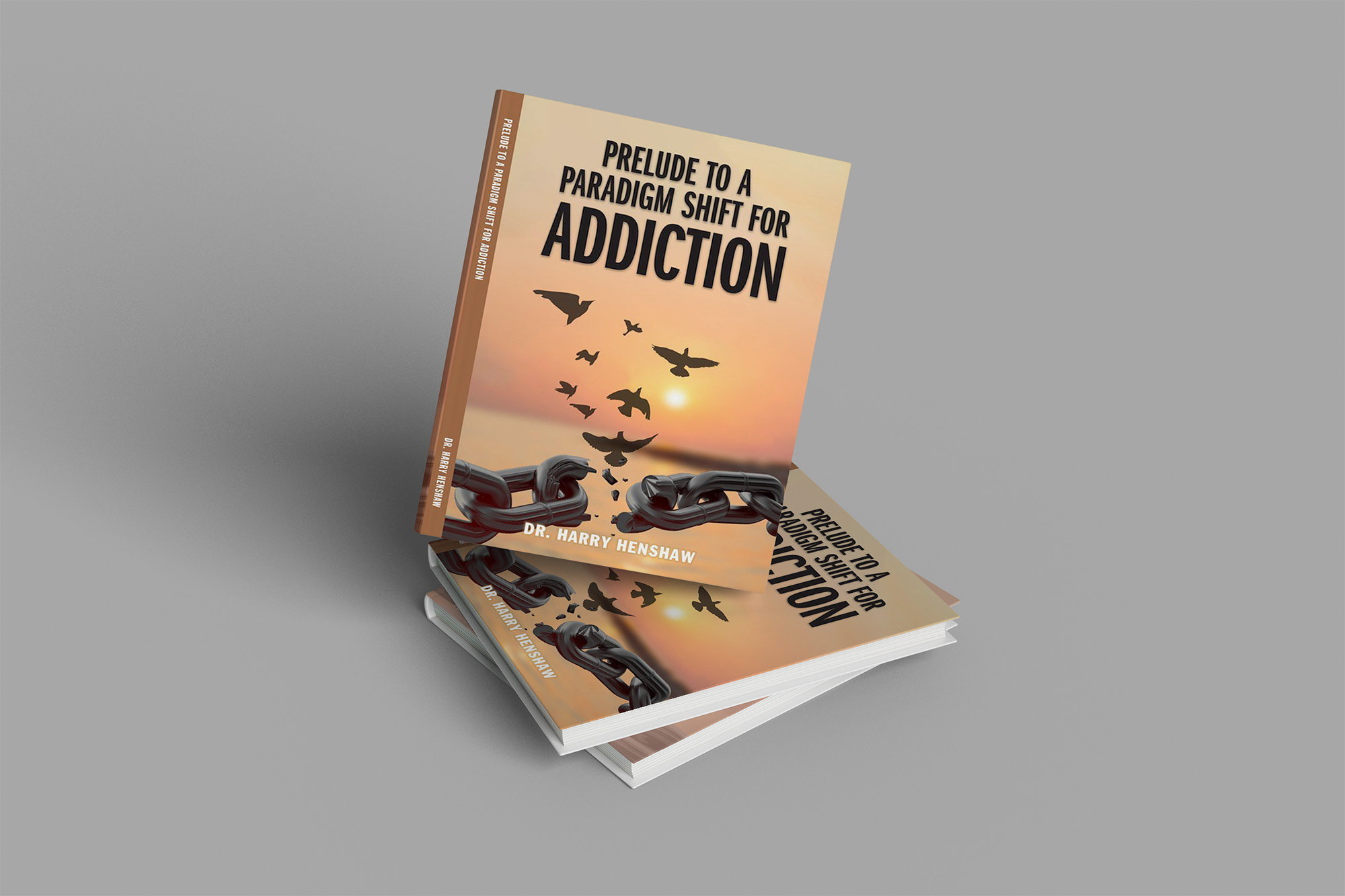
Discover a groundbreaking perspective on addiction recovery. Click below to buy Prelude to a Paradigm Shift for Addiction and explore innovative solutions to transform the way we understand and treat substance use disorders.
About Enhanced Healing
Enhanced Healing Counseling specializes in addiction recovery, mental health, and self-esteem support. Offering online and in-person services, we empower individuals to transform their lives with personalized care and proven therapeutic methods.