Table of Contents
Understanding why anxiety develops and how true healing begins from within
Stress and anxiety have become common experiences in modern life. For many people, they are so familiar that they almost seem normal. Yet when stress becomes persistent, overwhelming, and emotionally draining, it can grow into something more serious. It can interfere with sleep, concentration, relationships, physical health, and the ability to enjoy daily life. In some cases, a person may eventually receive a diagnosis of an anxiety disorder and even be prescribed medication to help manage the symptoms.
Medication may offer temporary relief for some individuals. It can reduce nervousness, calm physical agitation, and lessen the intensity of anxious feelings. But while medication may help reduce symptoms, it often does not address the deeper cause of the problem. If the underlying issue remains untouched, the anxiety may continue beneath the surface, waiting to reappear when life becomes challenging again. For this reason, symptom management alone is often not enough. To truly heal anxiety, we must understand where it comes from.
Stress and Anxiety Are Symptoms, Not the Root Cause
Stress and anxiety are often described as the problem, but in many ways they are better understood as symptoms of something deeper. They are emotional signals telling us that something within the individual is unsettled, threatened, or overwhelmed.
When we look beneath the surface of anxiety, we usually find fear. Fear is often the emotional core of anxiety. It is the feeling that something bad may happen, that life may become unmanageable, or that we may not be able to handle what is before us. Fear can show up in many forms: worry, panic, nervousness, overthinking, avoidance, restlessness, and even physical symptoms such as a rapid heartbeat, muscle tension, or shortness of breath.
Yet even fear is not the deepest level of the problem. Fear itself has a cause. It does not simply appear on its own. Like every emotional state, fear is produced by the way an individual thinks, interprets, and believes.
Fear Begins With Thought
Emotions do not exist in isolation. Every feeling has an origin, and that origin is often a thought, belief, or perception. Fear is no exception. The individual is not merely afraid because of a person, place, event, or circumstance. Rather, fear develops because of what the person believes about that circumstance and, even more importantly, what they believe about themselves in relation to it.
This distinction is extremely important.
The real issue is often not the external situation itself. The real issue is the meaning the individual attaches to that situation. Two people can face the same challenge and respond very differently. One may feel calm and capable, while the other feels anxious and overwhelmed. The difference is not always the situation. The difference is often the inner belief system each person brings to that situation.
The Deeper Foundation of Anxiety: A Sense of Inadequacy
At the root of fear is often a sense of inadequacy.
This means that the person believes, consciously or unconsciously, that they are not able to handle what life is presenting to them. The inner message may sound like this:
“I can’t deal with this.”
“I’m not strong enough.”
“I’m not capable.”
“I don’t know what to do.”
“I won’t be able to manage what happens next.”
When these beliefs are present, fear naturally follows. Anxiety is then created by the person’s belief in their own inability to cope, solve, respond, or endure. In this way, anxiety is not simply the result of difficult circumstances. It is often the result of a diminished belief in one’s own ability to meet those circumstances.
This is why anxiety can become so intense. The person is not only reacting to life; they are reacting to life through the filter of self-doubt, insecurity, and perceived weakness.
The Problem Is Often Not Ability, But Belief
In many situations, the person actually does have the ability to deal with what is happening. They may have the intelligence, emotional capacity, experience, or practical resources needed to respond effectively. Yet anxiety persists because they do not believe in that ability.
This is an important insight. The barrier is often not a true lack of strength, but a lack of confidence in one’s own strength. It is not always a physical inability. More often, it is a mental and emotional conviction that “I cannot do this.”
When individuals repeatedly think of themselves as powerless or incapable, the body responds accordingly. The nervous system stays activated. The mind becomes hyper-alert. Everyday stressors begin to feel threatening. Small problems can seem overwhelming. Over time, this pattern can create chronic anxiety, emotional exhaustion, and a growing loss of self-confidence.
Why Symptom Relief Alone Is Not Enough
If the underlying thought patterns remain unchanged, anxiety often continues in some form. A person may feel better temporarily, but the same fear-based beliefs can easily reactivate the symptoms during the next life challenge.
This is why true healing must go beyond symptom control. It must involve addressing the thoughts and beliefs that create the fear in the first place. If fear grows out of a belief in inadequacy, then healing must include transforming that belief.
In other words, the goal is not simply to make anxiety disappear for a while. The goal is to help the individual develop a stronger, healthier, and more truthful view of themselves.
Healing Anxiety Through a Change in Thinking
For lasting change to occur, the individual must begin to change the way they think about themselves and their ability to handle life. This means learning to question the inner beliefs that say, “I am inadequate,” “I am powerless,” or “I cannot cope.”
Healing begins when a person starts to replace those beliefs with new ones:
“I am capable.”
“I can learn to handle this.”
“I am stronger than I think.”
“I can respond to life with clarity and confidence.”
“I have the ability to face what is in front of me.”
As thinking changes, emotional experience often begins to change as well. When individuals begin to trust themselves more, fear begins to lose its hold. When confidence increases, anxiety often decreases. When self-belief grows, stressful situations may no longer feel so overwhelming.
This does not mean life becomes free of problems. Everyone faces difficulties, disappointments, and uncertainty. But it does mean that the individual begins to approach life from a place of inner strength rather than inner fear.
Building a New Foundation From Within
A healthier emotional life is built on a healthier self-concept. The person suffering from chronic stress and anxiety must begin to see themselves differently. They must come to understand that they are not helpless, not broken, and not doomed to live in fear. They must begin to recognize their own ability to cope, think clearly, solve problems, and move through difficulty.
This is not denial or wishful thinking. It is the development of a more accurate and empowering belief about oneself.
As the inner foundation changes, the symptoms of anxiety often begin to soften. The mind becomes calmer. The body relaxes. Life feels less threatening. The future no longer appears so overwhelming. The person begins to live with greater confidence, stability, and peace.
A Stronger Path Forward
Anxiety is not merely a problem of symptoms. It is often rooted in fear, and fear is often rooted in a belief in one’s own inadequacy. When that belief is challenged and transformed, healing becomes possible at a deeper level.
The path forward is not simply about suppressing nervousness or avoiding discomfort. It is about helping the individual discover a new relationship with themselves. It is about building self-trust, inner confidence, and a stronger sense of personal capability. When a person comes to believe that they can handle life, solve problems, and meet challenges with strength, the foundation of anxiety begins to weaken.
That is where real change begins.
True healing from stress and anxiety occurs when people no longer see themselves as powerless in the face of life, but as capable, resilient, and able to grow through what they face. As this inner transformation takes place, fear gives way to confidence, anxiety gives way to peace, and the individual begins to experience a greater sense of freedom, balance, and emotional well-being.
Dr. Harry Henshaw
Enhanced Healing Counseling
Port Charlotte, Florida
305-498-3442
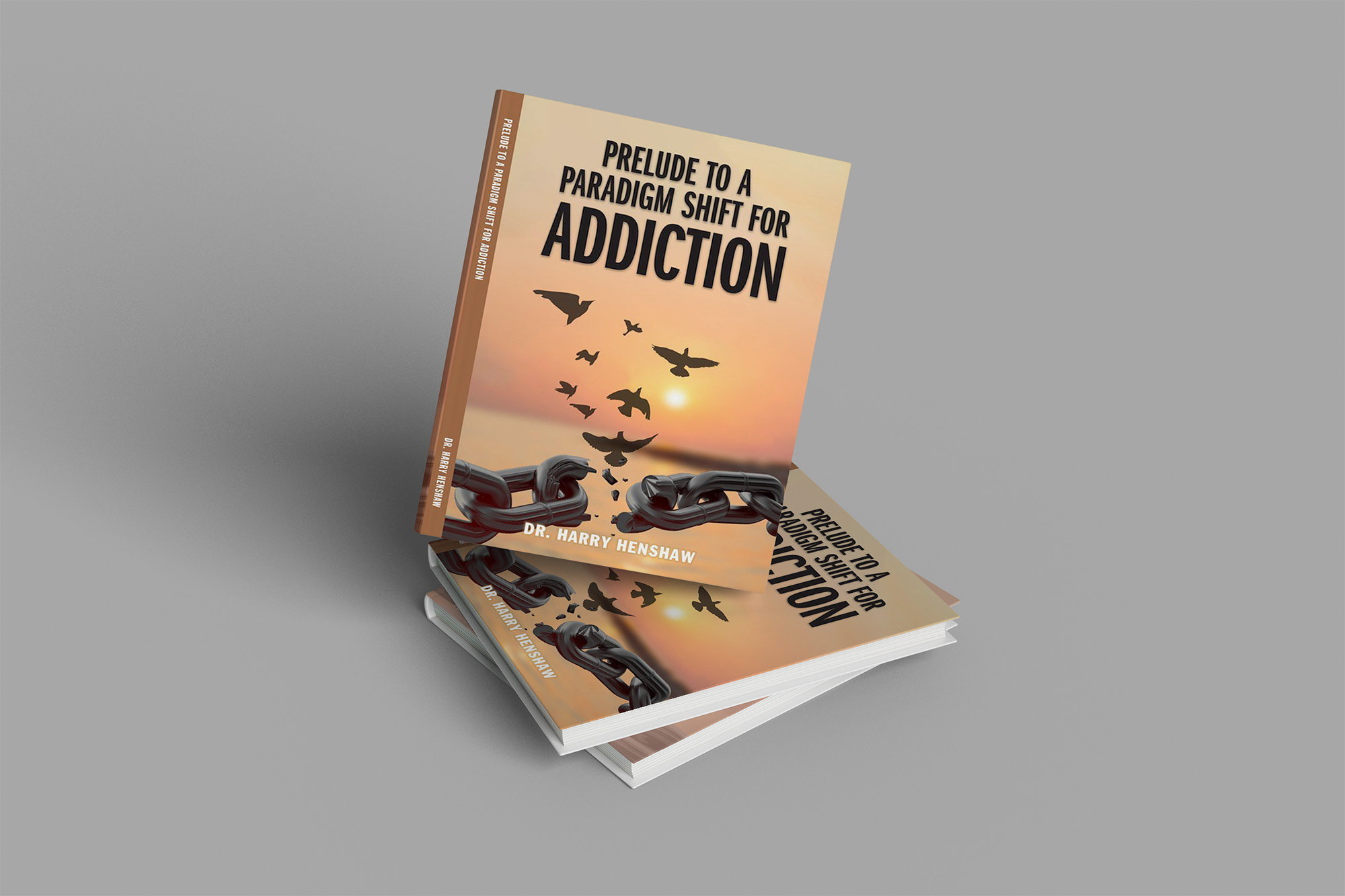
Get Free from Addiction!
Discover a groundbreaking perspective on addiction recovery. Click below to buy Prelude to a Paradigm Shift for Addiction and explore innovative solutions to transform the way we understand and treat substance use disorders.
About Enhanced Healing
Enhanced Healing Counseling specializes in addiction recovery, mental health, and self-esteem support. Offering online and in-person services, we empower individuals to transform their lives with personalized care and proven therapeutic methods.